


Dealership blog

Toyota Hybrid Benefits for Mobile AL Drivers
Hybrids used to raise a lot of questions. Today they are a practical fit for many Mobile, AL drivers: stop-and-go traffic on Airport Boulevard, commutes on I-65 and I-10, and hot, humid summers that keep the air conditioning working hard. This guide explains how Toyota hybrids work, what the benefits look like in everyday driving, and where the tradeoffs are, so you can decide whether a hybrid fits your routine.
To see current hybrid models, call (251) 450-1000 or browse our new Toyota inventory.
On this page
How a Toyota Hybrid Works
A Toyota hybrid pairs a gasoline engine with one or more electric motors and a hybrid battery. The system decides from moment to moment which power source to use. At low speeds and at stops, the electric motor can do the work and the gas engine can shut off. When you need more power, such as merging onto I-65, the engine and electric motor work together.
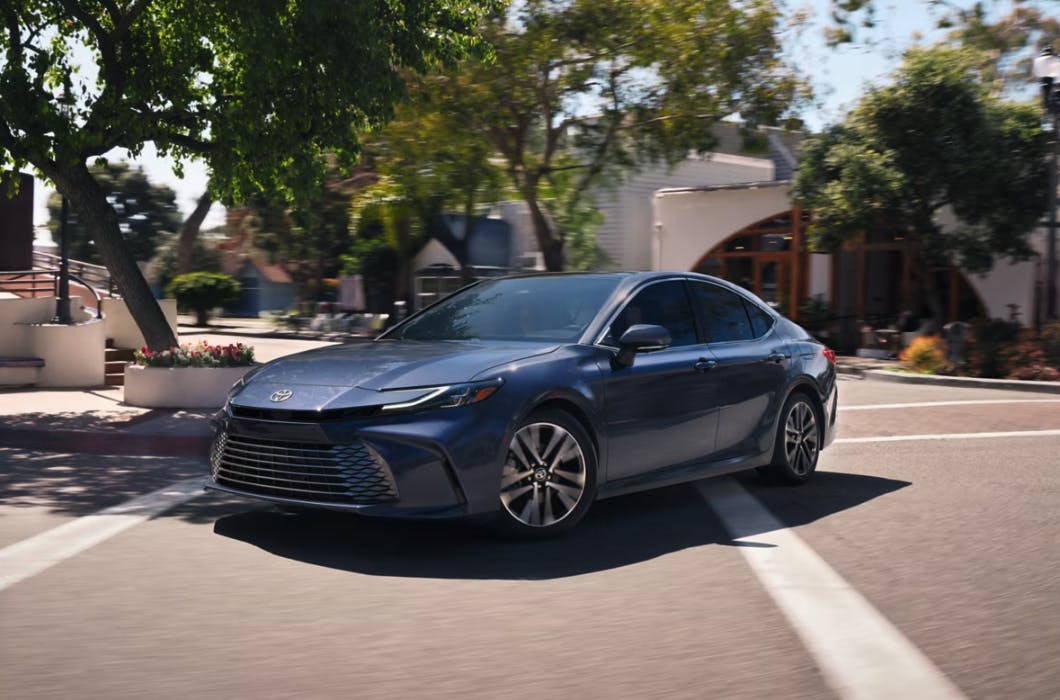
You never plug in a standard Toyota hybrid. The hybrid battery recharges while you drive, mainly through regenerative braking. When you slow down or coast, the electric motor acts as a generator and captures energy that a conventional car would lose as heat.
What HEV and PHEV Mean
| Term | What It Means | Do You Plug It In? | Toyota Examples |
|---|---|---|---|
| HEV | Hybrid electric vehicle. A gas engine and electric motor work together, and the battery recharges as you drive and brake. | No | Camry, Sienna, Corolla Hybrid |
| PHEV | Plug-in hybrid electric vehicle. A larger battery can be charged from an outlet for electric-only driving, then the vehicle runs like a regular hybrid. | Yes, to get the electric range | RAV4 Plug-in Hybrid, Prius Plug-in Hybrid |
Everyday Benefits for Mobile Drivers
Fuel Use in Stop-and-Go Traffic
Hybrids tend to stand out in city-style driving, where the electric motor handles low-speed driving and the gas engine shuts off at stops. The 2026 Camry hybrid is EPA-rated at up to 51 mpg combined (LE with front-wheel drive), and the Sienna is rated at up to 36 mpg combined with front-wheel drive. Ratings vary by model, trim, and drivetrain, and your results depend on how and where you drive.
Air Conditioning With the Engine Off
Toyota hybrids use an electric air conditioning compressor, so the A/C does not depend on the gas engine running. That helps when you are waiting in a school pickup line or a parking lot on a hot afternoon. The engine may still start when the system needs it, for example to recharge the hybrid battery.
Regenerative Braking and Brake Wear
Because regenerative braking does part of the work of slowing the vehicle, the conventional brakes do less. That can mean less brake wear over time, although brake service still depends on how you drive. Follow Toyota’s recommended maintenance schedule for your model.
A Smooth, Quiet Drive
The electric motor delivers power right away, so pulling away from a light or merging feels smooth. At low speeds the vehicle can run on electric power, which keeps the cabin quiet.
Hybrid Battery Warranty
For 2020 and newer model years, Toyota covers the hybrid battery for 10 years from the date of first use or 150,000 miles, whichever comes first. Other hybrid system components are covered for 8 years or 100,000 miles, whichever comes first. Coverage is subject to the terms of the warranty, so ask our team about the details for your vehicle.
Toyota Hybrid Lineup
Toyota offers hybrids across cars, SUVs, minivans, and trucks. Several models are now hybrid-only, which means the hybrid system is simply how the vehicle is built.
| Model | Hybrid Options |
|---|---|
| Camry | Hybrid only |
| RAV4 | Hybrid or plug-in hybrid. The 2026 RAV4 is no longer offered with a gas-only engine. |
| Sienna | Hybrid only |
| Prius | Hybrid and plug-in hybrid |
| Corolla and Corolla Cross | Hybrid models available |
| Highlander and Grand Highlander | Hybrid models available |
| Crown Signia | Hybrid |
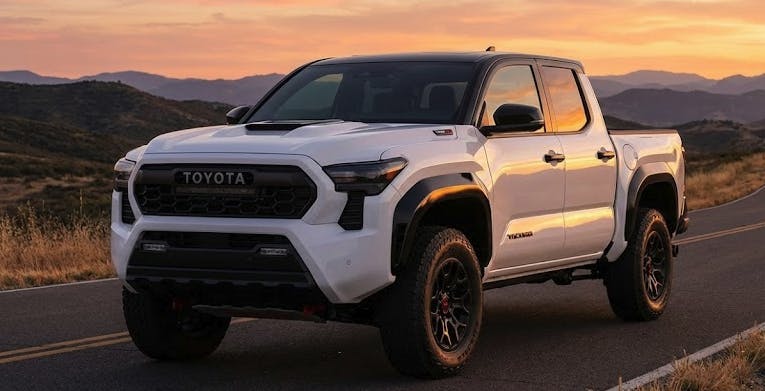
| Tundra, Tacoma, and 4Runner | i-FORCE MAX hybrid available |
Availability varies by model year and trim. Contact Springhill Toyota for current inventory.
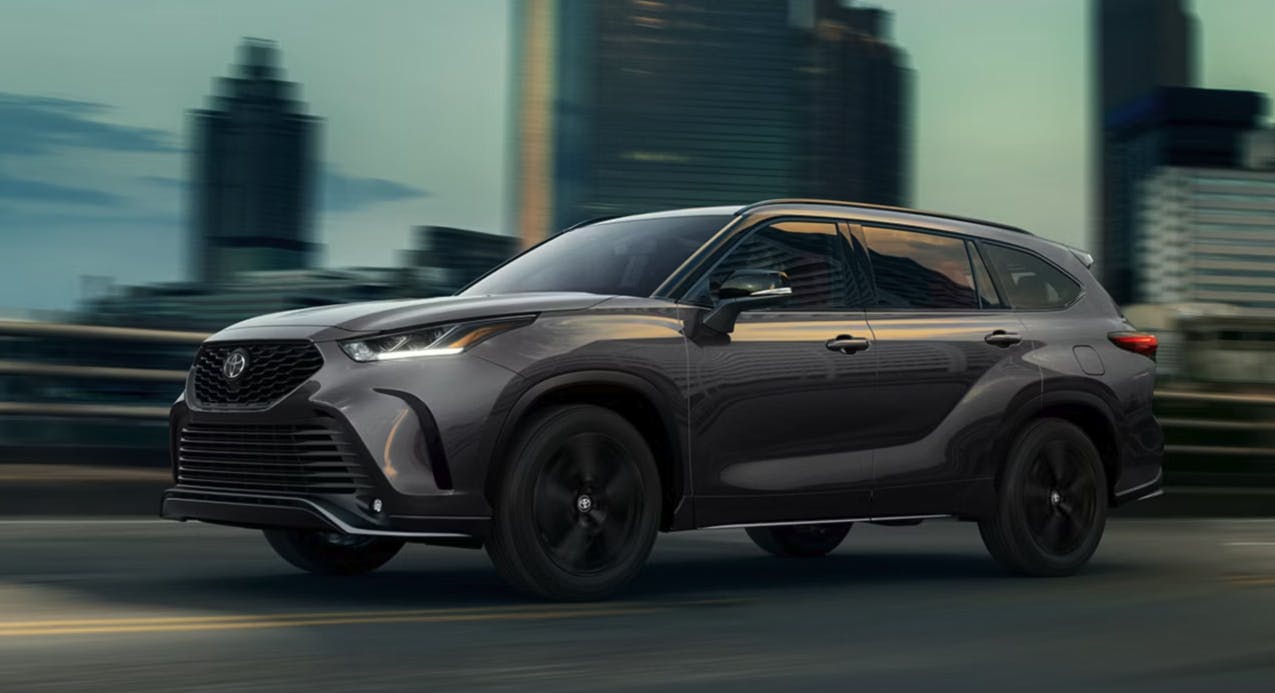
If you are comparing hybrid SUVs, start with our guides to RAV4 vs Highlander, the Grand Highlander Hybrid MAX, and Crown Signia vs RAV4. Families who want a hybrid minivan can read how the Sienna compares to the Honda Odyssey or review the Sienna overview.
Plug-In Hybrids: What to Know
A plug-in hybrid has a larger battery that you can charge from an outlet, which gives you a stretch of electric-only driving before the gas engine is needed. The 2026 RAV4 Plug-in Hybrid offers up to 50 miles of electric-only range. A standard household outlet works for charging, and a 240-volt outlet charges faster. If you forget to charge or take a long trip, the vehicle runs like a regular hybrid, so you are not limited by the battery.
Federal clean vehicle tax credits for new vehicles ended for vehicles acquired after September 30, 2025, so do not count on a federal credit when you build your budget. Ask our team about current offers, and talk with a tax professional about your situation.
Tradeoffs to Consider
- Driving mix matters. Hybrids usually show the biggest fuel savings in city and stop-and-go driving. Mostly highway drivers may see smaller gains.
- Upfront cost. Where a gas version of the same model is still offered, the hybrid can cost more up front. Compare the total cost of ownership, not just the starting price.
- Plug-ins need charging. A plug-in hybrid delivers its full benefit when you charge it regularly. If you cannot charge at home or work, a standard hybrid may fit better.
- Capability varies by model. Towing, cargo space, and fuel economy differ between models and trims, so check the numbers for the vehicle you want.
- EPA ratings are estimates. Your results depend on your driving habits, weather, and maintenance.
Find the Right Toyota Hybrid
Browse hybrid models, compare how they drive, and schedule a test drive at Springhill Toyota in Mobile.
Frequently Asked Questions
HEV stands for hybrid electric vehicle. A Toyota HEV pairs a gas engine with an electric motor and a hybrid battery that recharges as you drive, so you never plug it in. PHEV stands for plug-in hybrid electric vehicle, which has a larger battery that you can charge from an outlet.
A Toyota hybrid switches between its gas engine and electric motor, or uses both, depending on how much power you need. Braking and coasting recharge the hybrid battery through regenerative braking, so you never need to plug in a standard hybrid.
Toyota hybrids use an electric air conditioning compressor, so the A/C does not depend on the gas engine running. The engine may still start when the system needs it, for example to recharge the hybrid battery.
For 2020 and newer model years, the hybrid battery is covered for 10 years from the date of first use or 150,000 miles, whichever comes first. Other hybrid system components are covered for 8 years or 100,000 miles. Coverage is subject to the terms of the warranty.
A standard hybrid recharges its battery as you drive and never needs to be plugged in. A plug-in hybrid has a larger battery that you can charge from an outlet for electric-only driving, and it runs like a regular hybrid when the battery is depleted.
They can be, especially if you spend a lot of time in stop-and-go traffic. Savings depend on how and where you drive, so compare the EPA ratings for the models you are considering and take a test drive.
Federal clean vehicle tax credits for new vehicles ended for vehicles acquired after September 30, 2025. Ask Springhill Toyota about current offers and talk with a tax professional about your situation.
A Toyota hybrid can make a lot of sense for Mobile drivers, especially if your routine includes city traffic and hot summers. The best way to decide is to compare a few models side by side. Our team at Springhill Toyota is happy to walk you through the options and set up a test drive.