


Dealership blog
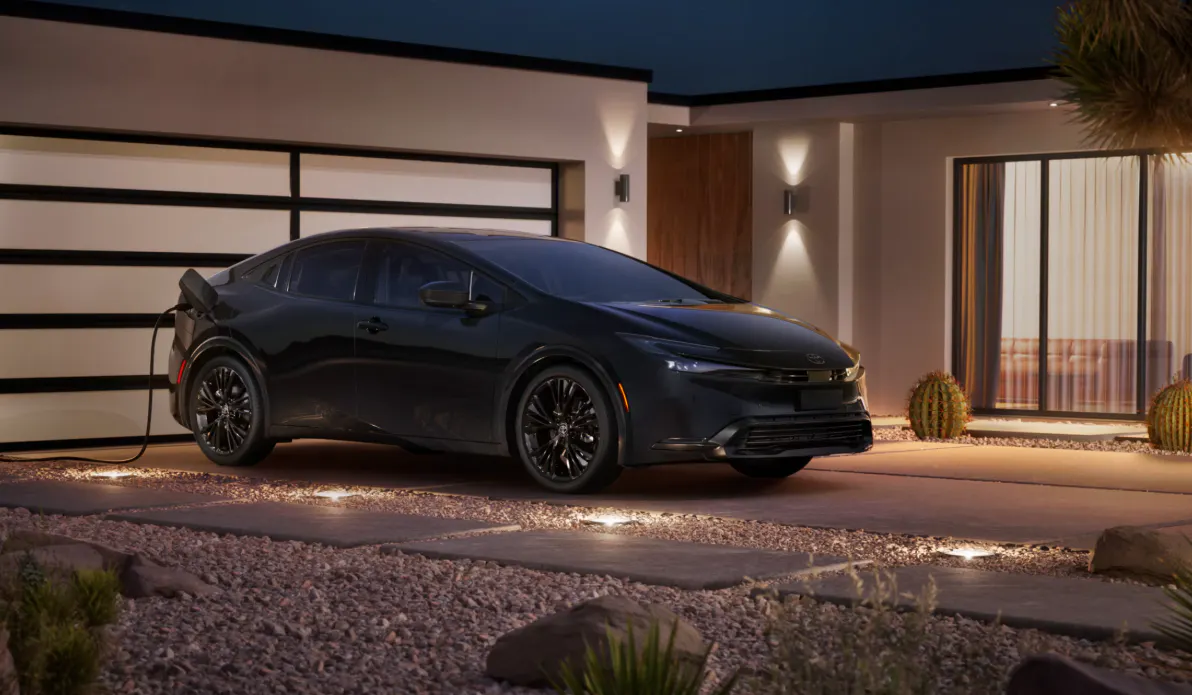
2026 Toyota Prius vs Prius Plug-in Hybrid Guide for Mobile, AL Drivers
Springhill Toyota Guide
2026 Toyota Prius vs Prius Plug-in Hybrid Guide for Mobile, AL Drivers
Compare Prius hybrid simplicity with Prius Plug-in Hybrid electric range, including MPG, MPGe, charging, AWD, trims, pricing, warranty, test-drive advice, and Gulf Coast use cases.
The 2026 Toyota Prius is the better fit for Mobile-area drivers who want maximum hybrid efficiency without plugging in. The 2026 Toyota Prius Plug-in Hybrid is the better fit for drivers who can charge regularly and want electric-only driving range before the gasoline engine takes over. The standard Prius is EPA-rated up to 57 combined MPG in LE FWD form and offers available AWD on select trims. The Prius Plug-in Hybrid offers up to 44 miles of EPA-estimated all-electric range, up to 127 MPGe on the SE grade, 220 horsepower, and front-wheel drive.
At Springhill Toyota, we recommend the standard Prius for drivers in Mobile, Daphne, Spanish Fort, Theodore, Foley, Bay Minette, and nearby Gulf Coast communities who do not have reliable charging access or who want a simple high-MPG hybrid. We recommend the Prius Plug-in Hybrid for drivers with reliable home or workplace charging, short daily commutes, and a routine that makes plugging in realistic. Both are efficient five-passenger hatchbacks, but they solve different ownership needs.
The key decision is simple: choose Prius if you want high fuel economy with no charging routine, and choose Prius Plug-in Hybrid if you can charge often enough to use its electric range. Charging access, commute length, AWD needs, cargo expectations, and total ownership cost should drive the final choice.
Definition
The 2026 Toyota Prius is a traditional self-charging hybrid hatchback that does not plug in. The 2026 Toyota Prius Plug-in Hybrid is a plug-in hybrid hatchback with a larger battery, external charging capability, up to 44 miles of electric range, and gasoline backup for longer trips.
Table of Contents
- Engine Specs and Horsepower
- MPG, MPGe, EV Range, and Charging
- Drivetrain and Traction: FWD vs Available AWD
- Interior Space, Cargo, and Daily Utility
- Pricing, Trims, and Federal Credit Context
- Warranty, ToyotaCare, Maintenance, and EV Mode
- What to Look for During Your Test Drive
- Available Packages and Accessories
- Mobile and Gulf Coast Use Cases
- Quick Answers Before You Visit
- Take the Next Step Toward Your New Prius
Engine Specs and Horsepower
The standard Prius prioritizes high-MPG hybrid driving, while the Prius Plug-in Hybrid adds more horsepower and electric-only driving capability.
The 2026 Prius uses Toyota’s fifth-generation hybrid system. In front-wheel-drive form, Prius is rated at 194 horsepower. With available AWD, Prius is rated at up to 196 net combined horsepower. It uses an electronically controlled continuously variable transmission, or eCVT, to blend gasoline and electric power smoothly. This is the powertrain we recommend for shoppers who want strong fuel economy without planning around charging access.
The 2026 Prius Plug-in Hybrid uses a 2.0-liter plug-in hybrid system with a larger battery and stronger electric assist. Toyota lists output at 220 horsepower and a 0-60 mph time of 6.6 seconds. This makes it the quicker Prius choice and the better fit for drivers who want electric driving during the week with gasoline backup for longer trips. Prius Plug-in Hybrid is front-wheel drive only.
Both models are efficient, but they reward different habits. Prius works best for drivers who want to fuel up and go. Prius Plug-in Hybrid works best for drivers who can plug in consistently, use its electric range during daily driving, and still want hybrid operation after the electric range is depleted.
| Category | 2026 Prius | 2026 Prius Plug-in Hybrid | Best For |
|---|---|---|---|
| Hybrid Type | Traditional self-charging hybrid | Plug-in hybrid with gasoline backup | Prius for simplicity, Plug-in Hybrid for charged daily driving |
| Horsepower | 194 hp FWD, up to 196 hp AWD | 220 hp | Plug-in Hybrid for stronger acceleration |
| Transmission | eCVT | eCVT | Smooth hybrid operation in both models |
| 0-60 mph | 7.2 sec FWD, 7.0 sec AWD | 6.6 sec | Plug-in Hybrid for quicker response |
Based on manufacturer specifications and EPA fuel economy listings.
MPG, MPGe, EV Range, and Charging
Prius delivers the highest gas-only MPG, while Prius Plug-in Hybrid delivers the highest efficiency when it is charged regularly.
EPA lists the 2026 Prius FWD LE at 57 city, 56 highway, and 57 combined MPG. EPA lists the Prius AWD LE at 53 city, 54 highway, and 54 combined MPG. For XLE and Limited configurations, EPA lists FWD at 52 city, 52 highway, and 52 combined MPG, while AWD XLE/Limited is listed at 49 city, 50 highway, and 49 combined MPG. These figures make Prius the stronger choice for drivers who do not plan to charge.
Prius Plug-in Hybrid changes the equation when the driver charges consistently. Toyota lists up to 44 miles of EPA-estimated all-electric driving range and 220 horsepower. SE offers up to 52 MPG when operating as a hybrid and up to 127 MPGe when using gasoline and electricity. XSE, XSE Premium, and Nightshade Edition are rated at 48 MPG when operating as hybrids and 114 MPGe when using gasoline and electricity.
For a Mobile driver with reliable home charging and a daily commute within the available electric range, Prius Plug-in Hybrid can reduce gasoline use substantially. For a renter, apartment resident, or commuter without reliable charging, Prius is usually the better choice because it delivers excellent fuel economy without requiring a charging plan.
| Efficiency Item | 2026 Prius | 2026 Prius Plug-in Hybrid | Buyer Note |
|---|---|---|---|
| Best EPA Combined MPG | 57 combined MPG on LE FWD | 52 combined MPG on SE when operating as a hybrid | Prius has the higher gas-only MPG rating |
| Best MPGe | Not applicable | Up to 127 combined MPGe on SE | Plug-in Hybrid wins when charged regularly |
| Electric Range | No plug-in EV range | Up to 44 miles on a full charge | Useful for short daily commutes |
| Charging Needed | No | Yes, to get full plug-in value | Charging access should guide the decision |
| Best Use Case | High MPG without lifestyle changes | Electric daily miles plus gasoline backup | Choose based on parking and charging routine |
Based on EPA fuel economy ratings and manufacturer specifications.
Drivetrain and Traction: FWD vs Available AWD
The standard Prius offers available AWD, while Prius Plug-in Hybrid is front-wheel drive only.
Drivetrain is one of the clearest reasons to choose Prius over Prius Plug-in Hybrid. Prius AWD adds electric all-wheel-drive traction support when conditions call for it. That can be useful on wet Mobile roads, during heavy Gulf Coast rain, in slick parking lots, and for drivers who want extra traction confidence without moving into a larger SUV.
Prius Plug-in Hybrid is front-wheel drive only. That makes it the better fit for shoppers focused on electric range and stronger acceleration, but not the best fit for shoppers who specifically want AWD. We recommend Prius AWD for drivers who prioritize traction flexibility, and Prius Plug-in Hybrid for drivers who prioritize charged daily driving.
Drivetrain Recommendation
Choose Prius AWD if wet-road traction confidence matters more than plug-in charging. Choose Prius Plug-in Hybrid if your main goal is electric daily driving and you have reliable charging access.
Interior Space, Cargo, and Daily Utility
Both Prius models seat five passengers and use a hatchback layout, but cargo space and daily practicality should be checked by trim.
Prius is efficient, but it still gives drivers hatchback flexibility. EPA lists luggage volume for the 2026 Prius LE at 24 cu. ft. and XLE/Limited at 20 cu. ft. That difference matters for drivers carrying strollers, sports bags, luggage, groceries, backpacks, beach bags, or pet supplies. We recommend comparing cargo areas in person, especially if you regularly carry bulky items.
Prius Plug-in Hybrid also uses a practical hatchback layout, but its main advantage is electric driving range. If cargo space matters more than charging, we recommend comparing Prius with Corolla Cross Hybrid, RAV4 Hybrid, or Crown Signia. If electric daily driving matters most, Prius Plug-in Hybrid remains the stronger fit.
Prius and Prius Plug-in Hybrid are not towing vehicles. They are best used for commuting, errands, school routes, efficient travel, and light cargo. If you need trailer capability, our team can compare Crown Signia, RAV4, Highlander, Grand Highlander, Land Cruiser, or Sequoia based on trailer weight and passenger needs.
| Utility Item | 2026 Prius | 2026 Prius Plug-in Hybrid | Buyer Note |
|---|---|---|---|
| Seating | 5 passengers | 5 passengers | Both fit compact family and commuter use |
| Cargo Layout | Hatchback | Hatchback | Compare loading height and floor space in person |
| EPA Luggage Volume | 24 cu. ft. on LE, 20 cu. ft. on XLE/Limited | Confirm by trim and window sticker | Prius LE has the strongest published luggage volume among standard Prius listings |
| Towing | Not designed for towing | Not designed for towing | Choose a Toyota SUV if towing matters |
Pricing, Trims, and Federal Credit Context
Prius starts lower, while Prius Plug-in Hybrid costs more because it adds plug-in hardware, electric range, and stronger horsepower.
EPA lists the 2026 Prius FWD MSRP range at $28,550 to $35,565, and the Prius AWD MSRP range at $29,950 to $36,965. Prius Plug-in Hybrid pricing should be confirmed through current Toyota listings, local inventory, and each vehicle’s window sticker because final pricing depends on trim, destination charge, taxes, title, license, dealer-installed equipment, port-installed accessories, availability, and current offers.
Federal clean vehicle credit rules changed. The IRS states that the New Clean Vehicle Credit, Previously-Owned Clean Vehicle Credit, and Qualified Commercial Clean Vehicle Credit are not available for vehicles acquired after September 30, 2025. Because this guide is written for 2026 shoppers, we do not present Prius Plug-in Hybrid as qualifying for a federal clean vehicle credit. Local utility rebates, charging-related incentives, and state programs can change, so buyers should verify current programs before purchase.
| Model Direction | Pricing Context | Main Advantage | Recommended Buyer |
|---|---|---|---|
| Prius LE FWD | EPA lists Prius FWD range from $28,550 to $35,565 | Best gas-only Prius MPG rating | Fuel-focused commuters without charging access |
| Prius AWD | EPA lists Prius AWD range from $29,950 to $36,965 | Added traction confidence | Wet-road and traction-focused drivers |
| Prius Plug-in Hybrid SE | Confirm current MSRP and availability by vehicle | Best plug-in efficiency value | Home-charging commuters |
| Prius Plug-in Hybrid XSE, XSE Premium, or Nightshade | Confirm current MSRP and equipment by vehicle | More features and style | Drivers who want plug-in range plus upgraded trim content |
Pricing excludes destination charge, taxes, title, license, dealer-installed equipment, accessories, and other fees. Confirm current pricing on the specific vehicle before purchase.
Warranty, ToyotaCare, Maintenance, and EV Mode
Prius and Prius Plug-in Hybrid both need routine maintenance, even if the plug-in model handles many short trips on electric power.
Prius Plug-in Hybrid drivers may use less gasoline when they charge often, but the gasoline engine still needs scheduled service. Oil changes, tire rotations, brake inspections, cabin filters, wiper blades, software checks, and multi-point inspections still matter. Prius has a simpler routine because there is no external charging equipment to manage.
New Toyota vehicles typically include a 3-year/36,000-mile basic warranty and a 5-year/60,000-mile powertrain warranty. Hybrid components are typically covered by an 8-year/100,000-mile hybrid system warranty, and the hybrid battery is typically covered by a 10-year/150,000-mile warranty. ToyotaCare covers normal factory scheduled maintenance for 2 years or 25,000 miles, whichever comes first, and includes roadside assistance for 2 years with unlimited mileage.
| Ownership Item | Why It Matters | Our Advice |
|---|---|---|
| ToyotaCare | Covers normal factory scheduled maintenance for 2 years or 25,000 miles | Use every covered visit on schedule |
| Hybrid Battery Warranty | Important long-term hybrid coverage detail | Review warranty terms during purchase |
| Plug-in Charging Routine | Determines whether Prius Plug-in Hybrid delivers its biggest efficiency advantage | Choose plug-in only if charging fits your routine |
| Engine Maintenance | Still required even with frequent EV driving | Do not skip factory maintenance intervals |
| Tires and Brakes | Efficiency depends on tire condition, and brakes still need inspections | Rotate tires and inspect brakes regularly |
What to Look for During Your Test Drive
A Prius test drive should focus on acceleration, visibility, cargo access, rear-seat comfort, regenerative braking feel, and whether charging fits your daily routine.
Start with the basics. Sit in the driver’s seat and check visibility, steering-wheel position, gauge placement, touchscreen reach, seat comfort, and rear-seat access. Prius has a sleek roofline, so taller passengers should sit in the back before you decide. Open the hatch and compare cargo space with your real life in mind: groceries, backpacks, beach bags, sports gear, dog supplies, or luggage.
Then compare driving feel. Prius is efficient and smooth, with the simplest ownership routine. Prius Plug-in Hybrid feels quicker and can operate on electric power when charged. During a test drive, ask our team to explain EV Mode, hybrid mode, charging requirements, regenerative braking, and what happens when the plug-in battery’s electric range is depleted.
- Drive both models on similar roads if inventory allows.
- Confirm whether your home, apartment, or workplace charging setup supports plug-in ownership.
- Compare AWD needs before choosing Prius Plug-in Hybrid.
- Check hatch space with the items you actually carry.
- Ask our team to explain ToyotaCare and hybrid warranty coverage.
Available Packages and Accessories
Prius accessories should be chosen around daily protection, cargo organization, charging convenience, and technology needs.
Genuine Toyota accessories can help protect the cabin, organize cargo, and support daily ownership. Common accessory categories include all-weather floor liners, carpet floor mats, cargo organizers, exterior protection, wheel locks, dashcam equipment, and charging-related equipment for Prius Plug-in Hybrid. Availability, pricing, and installation status can vary by trim, region, build, and inventory.
| Accessory Type | Common Examples | Best For | What to Confirm |
|---|---|---|---|
| Interior Protection | All-weather floor liners, carpet mats, door sill protection | Beach drivers, commuters, rainy-weather use | Trim fit and installed price |
| Exterior Protection | Paint protection film, door edge guards, rear bumper protection | Parking lots, daily commuting, road-trip wear | What is already installed on the vehicle |
| Cargo Organization | Cargo tote, cargo net, cargo mats | Groceries, bags, sports equipment, travel items | Cargo-space needs by trim |
| Technology | Dashcam, digital mirror equipment, connected service features where available | Drivers wanting extra visibility and convenience | Package availability and subscription terms |
| Charging Support | Charging equipment for Prius Plug-in Hybrid | Plug-in Hybrid shoppers | Equipment included with the specific vehicle |
Package availability, accessory pricing, and installed equipment can vary. Confirm exact details on the window sticker or with our sales team.
Mobile and Gulf Coast Use Cases
The right Prius depends on charging access, commute distance, AWD needs, and how often you take longer Gulf Coast trips.
| Local Driver | Main Need | Recommended Model | Why |
|---|---|---|---|
| Mobile apartment commuter | High MPG without charging | Prius LE or XLE | No plug needed and strong EPA MPG |
| Daphne homeowner | Short daily commute and home charging | Prius Plug-in Hybrid SE | Up to 44 miles of EV range when charged |
| Spanish Fort driver | Rain traction and efficient highway use | Prius AWD | Available AWD with strong MPG |
| Foley weekend traveler | Fuel savings with longer trips | Prius or Prius Plug-in Hybrid | Choose by charging access and cargo needs |
| EV-curious buyer | Electric daily driving without full EV ownership | Prius Plug-in Hybrid | Plug-in range plus gasoline backup |
Quick Answers Before You Visit
Does the standard Prius require plugging in?
No. The standard 2026 Prius is a traditional hybrid. It does not plug in and does not need a home charger. It uses gasoline power, electric motor assist, and regenerative braking to recharge its hybrid battery during normal driving. We recommend it for drivers who want high MPG without changing their parking or charging routine.
Can I drive the Prius Plug-in Hybrid if I forget to charge it?
Yes. If the plug-in battery’s electric range is depleted, Prius Plug-in Hybrid continues operating as a hybrid using gasoline and electric assist. Its biggest advantage still comes from charging regularly. If you rarely plug in, Prius may be the better value because it delivers higher gas-only MPG and does not require charging access.
Is all-wheel drive available on Prius Plug-in Hybrid?
No. The 2026 Prius Plug-in Hybrid is front-wheel drive only. If you want available AWD, choose the standard Prius. Prius AWD is a smart choice for Mobile-area drivers who want extra traction confidence on wet roads while keeping strong hybrid efficiency.
How do I charge Prius Plug-in Hybrid?
Toyota states that Prius Plug-in Hybrid can be charged using a standard outlet or a Level 2 charger. Charging time depends on outlet type, charging equipment, battery state, temperature, and electrical setup. We recommend reviewing your home or workplace charging plan before purchase so the vehicle fits your daily routine.
Do both models include Toyota Safety Sense?
Yes. Prius and Prius Plug-in Hybrid include Toyota Safety Sense 3.0. These driver-assistance features support awareness and convenience, but they do not replace attentive driving. During your test drive, ask our team to explain feature operation, limits, display alerts, and available parking or visibility technology by trim.
Which should I choose, Prius or Prius Plug-in Hybrid?
Choose Prius if you want the simplest high-MPG hybrid, available AWD, and no charging routine. Choose Prius Plug-in Hybrid if you can charge regularly, drive short daily routes, and want up to 44 miles of electric range plus gasoline backup. We recommend comparing both in person before deciding.
Take the Next Step Toward Your New Toyota Prius in Mobile
Finding the right Prius starts with your daily routine. Visit Springhill Toyota at 3062 Government Blvd, Mobile, AL 36606, and our team can help you compare Prius trims, Prius Plug-in Hybrid charging needs, AWD availability, cargo space, finance options, trade-in value, and current inventory. We serve Mobile, Daphne, Spanish Fort, Theodore, Foley, Bay Minette, and nearby Gulf Coast communities.
If you want plug-and-play simplicity, we can help you compare Prius LE, XLE, Nightshade, Limited, and available AWD configurations. If you want electric daily driving, we can help you compare Prius Plug-in Hybrid SE, XSE, XSE Premium, and Nightshade options, including charging needs and equipment. Call us at 251.450.1000 or contact our team online before your visit so we can review current availability.
Ready to Compare Prius Options?
Browse new Toyota inventory, value your trade, start financing, or schedule service with our Mobile, AL team.
Springhill Toyota
3062 Government Blvd, Mobile, AL 36606
Sales: 251.450.1000 | Service: 251.450.1000 | Parts: 251.471.1122
Related Resources
- New Toyota inventory
- Online finance application
- Trade-in valuation
- Schedule Toyota service
- Genuine Toyota parts
Related Articles
Keep reading more Toyota shopping guides, model highlights, and ownership tips from Springhill Toyota.
Model Guide
2026 Toyota Land Cruiser Hybrid SUV Guide for Mobile, AL Drivers
A detailed local guide to Land Cruiser hybrid power, full-time 4WD, fuel economy, towing, trims, warranty coverage, off-road systems, ownership planning, and Gulf Coast use cases.
Model Guide
2026 Toyota Crown and Crown Signia Guide for Mobile, AL Drivers
A detailed local guide comparing Toyota Crown sedan comfort with Crown Signia crossover utility, including hybrid powertrains, MPG, cargo, trims, safety, pricing, ownership, and Gulf Coast use cases.
Ownership Guide
Understanding Toyota Hybrid SUVs: Miles Per Gallon, Models, and Mileage Insights
Compare Toyota hybrid SUV fuel economy, model choices, and ownership value for Gulf Coast driving.